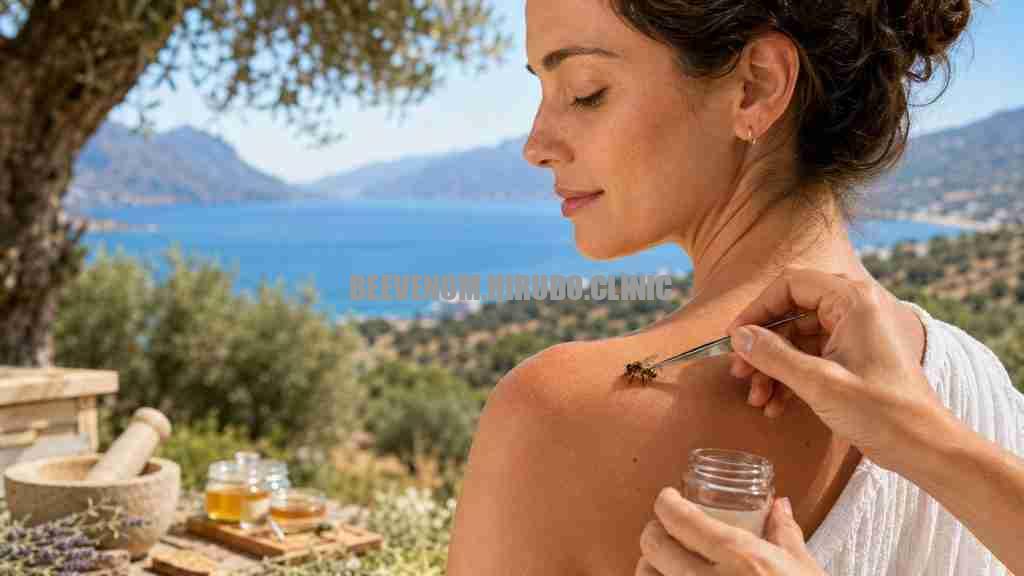
Apitherapy is one of the oldest natural wellness practices and is increasingly discussed within modern biohacking communities. Biohackers seek to optimise the body’s natural processes through nutrition, lifestyle, environmental changes, and carefully selected natural compounds. Bee-derived substances—including honey, propolis, royal jelly, bee pollen, beeswax, and, in some traditions, bee venom—have attracted interest because they contain a wide range of naturally occurring bioactive compounds. Many see apitherapy as a gentle, trustworthy way to support and work alongside the body’s natural systems, fostering confidence and reassurance in natural methods.
What is Biohacking?
Biohacking is a positive, empowering way to make small, thoughtful changes to how you live, eat, rest, and care for your body, then notice how those changes support your energy, focus, sleep, mood, and overall wellbeing.
For some people, biohacking is high-tech, using wearable devices, apps and health data. For others, it is much more natural: improving sleep, eating better, spending time in nature, using breathwork, sauna, cold exposure, or traditional wellness practices such as apitherapy.
Biohacking may include:
Personalized nutrition – choosing foods that support your body and energy levels, such as adding more protein at breakfast or noticing which meals help you feel steady and energized.
Sleep optimization – improving sleep quality, routine, and recovery.
Cold exposure – using cold showers, cold-water therapy, or carefully applied topical cold packs to support resilience and short-term comfort; for example, some people use wrapped cold packs to help ease disc-related flare-ups, but this should not be described as a cure and should be guided by professional advice. When cold is applied, muscles may briefly tighten as the body reacts to the temperature change. As the area warms again and discomfort eases, the muscles may begin to relax, helping the body feel more comfortable.
Sauna therapy – using heat exposure as part of a recovery routine, such as a traditional sauna or Russian banya, where people warm up in steam, cool down, and rest to support relaxation and recovery.
Russian spa therapy explained on Biolux.UK: Find out more about how traditional Russian banya rituals can be incorporated into a modern UK wellness routine through our partner clinic in the UK, where heat, steam, cooling, and rest are used to support relaxation, recovery, and overall wellbeing.
Breathwork – using simple breathing techniques to help calm the nervous system, such as slow belly breathing, box breathing, or the 4-7-8 breathing method.
Exercise optimization – adapting movement, strength, and recovery to your body.
Light therapy – using natural light or targeted light exposure to support daily rhythm.
Wearable health technology – tracking metrics such as sleep, heart rate, and HRV.
Gut microbiome support – supporting digestion through diet and lifestyle.
Functional foods – using nutrient-rich natural foods as part of a wellness routine.
Natural therapies such as apitherapy – exploring bee-derived products as part of a broader natural biohacking approach-offer a way to support your health using trusted, natural methods actively.
Unlike pharmaceutical interventions, many natural biohackers focus on supporting the body’s normal biological functions through lifestyle changes and natural substances.
Why Is Apitherapy Appealing to Biohackers? To help readers understand its practical benefits, this section highlights how bee products support sleep, recovery, and stress management, making it a valuable addition to natural biohacking routines.
Apitherapy attracts biohackers because bee products are natural, complex, and deeply connected to the environment. Rather than focusing on a single ingredient, bee products contain a wide range of compounds found in nature that may support the body in multiple ways.
For example, honey, propolis, royal jelly, bee pollen,n and bee venom each have their own unique composition. They may contain compounds such as flavonoids, polyphenols, peptides, Enzymes, amino acids, vitamins, minerals, essential fatty acids, and natural antioxidants. What makes apitherapy appealing is its ability to integrate into a broader wellness routine that encompasses sleep, nutrition, recovery, stress management, and personalized self-care. It provides a natural, holistic method that many people find empowering for their health journey.
Research into bee products is still growing. Some bee products are better studied than others, and results depend on how they are used. For this reason, apitherapy should be seen as a developing natural wellness practice, not as a guaranteed medical treatment.
Bee Products Commonly Used in Natural Biohacking
Honey is valued as a natural functional food and a source of natural carbohydrates for energy and recovery.
Propolis – a plant-derived, resin-like material gathered by bees, rich in naturally occurring polyphenols and flavonoids.
Bee Pollen – a nutrient-dense bee product containing proteins, amino acids, vitamins, minerals, and plant compounds.
Royal Jelly – a unique substance produced by worker bees, often studied for its complex nutritional profile and bioactive compounds.
Beeswax – widely used in natural skincare, balms, and protective formulations because of its texture and barrier-supporting properties.
Bee Venom / Apitoxin – traditionally used in apitherapy and currently researched for biologically active peptides such as melittin. It should only be used under the supervision of experienced professionals to ensure safety and effectiveness.
Natural Biohacking Philosophy
Natural biohacking is based on supporting healthy habits rather than seeking quick fixes. Many people combine practices such as quality sleep, exercise, stress management, nutritious food, and nature-based therapies to create a personalized wellness routine.
Apitherapy can form part of this broader wellness philosophy for those interested in traditional bee-derived products and natural approaches to wellbeing.
Tracking Apitherapy Through Biohacking Metrics: To help biohackers measure the impact of apitherapy, this section details how to use HRV metrics from devices like the Oura Ring or WHOOP strap and, with professional guidance, monitor inflammatory markers to gain a comprehensive view of wellness.
For biohackers exploring apitherapy, HRV (Heart Rate Variability) can be a useful metric. Bee venom is being researched for its possible impact on inflammation and the nervous system. Before a session, you can record your baseline HRV with a wearable device such as an Oura Ring, WHOOP strap, or chest strap. After the session, you can compare short-term readings — immediately after and again 24 hours later — to assess possible changes in stress recovery, resilience, and autonomic balance.
If your morning HRV improves or your body returns to a calmer, more balanced state more quickly after sessions, apitherapy may be worth exploring as part of your routine. Personalized data can help you understand what works for you and make more confident self-care choices.
Biohacker’s Toolkit for Apitherapy Tracking
To understand how your body responds, you can use simple biohacking tools such as an Oura Ring, a WHOOP strap, or a Polar H10 chest strap. These devices measure HRV, which may help you observe how your nervous system reacts before and after apitherapy. Some people also choose to check inflammation markers, such as C-reactive protein, with a qualified practitioner. Combining wearable data with how you feel — energy, sleep, recovery, and mood — gives a more complete picture of your wellness journey.
Q&A
How soon could I notice changes in HRV after apitherapy?
You may notice small changes in HRV within the first few minutes or hours after a session. Everyone responds uniquely. For reliability, track your daily baseline over several weeks and look for consistent patterns. We do not recommend focusing on one reading.
Is apitherapy suitable for everyone?
Apitherapy isn’t suitable for everyone. Individuals with bee allergies, specific health issues, or who are pregnant should only consider bee venom therapy after consulting a qualified healthcare provider. It’s always best to seek professional advice before beginning treatment.
What’s the difference between bee venom and other bee products?
Bee venom is mainly known for its active peptides, including melittin, which is being studied for its possible role in inflammation. Other bee products, such as honey, propolis, bee pollen, and royal jelly, are more commonly used for nutrition, antioxidant support, and general wellness support.
How can I tell if my HRV response is positive?
A higher HRV trend over time generally suggests better autonomic balance. If you feel more recovered, less stressed, and your HRV baseline rises, this may indicate a positive response.
Are there any biohacker success stories?
Some biohackers report better recovery and less joint discomfort, but results vary. Track your own data and pay attention to how your body responds.